We strengthen public understanding of the law, international law, legal definitions and the institutions that uphold them.
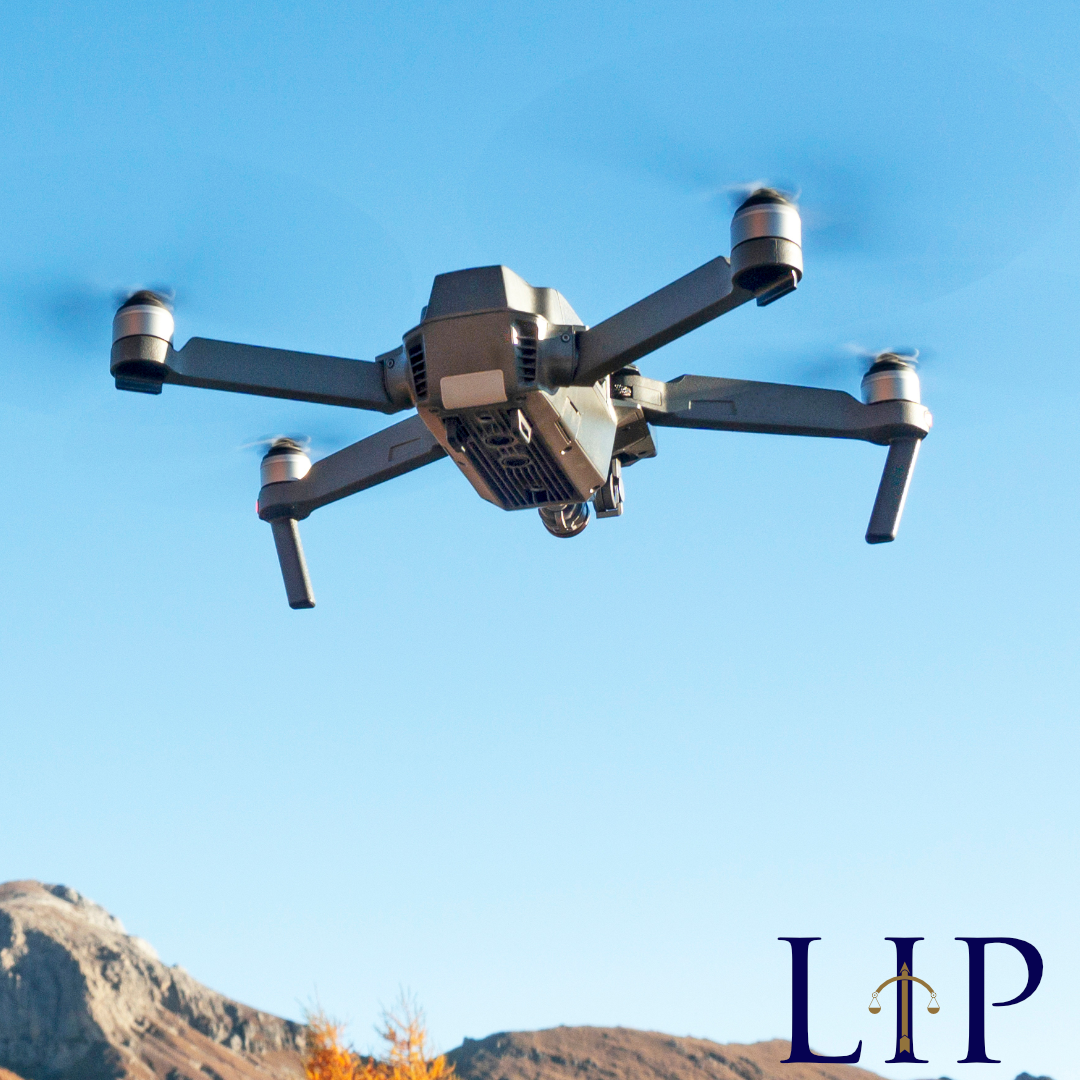
Has International Law Fallen Behind Modern Warfare? The Legal Gap Around Drones and Autonomous Weapons
International humanitarian law requires distinction, proportionality, and precaution, standards designed for human decision makers. But what happens when machines, not humans, identify targets? How do we assign responsibility when autonomous systems malfunction or misinterpret data? Most states accept that existing law applies, but its application is increasingly strained. Critics argue that autonomous weapons introduce an accountability vacuum with no clear answer for whether liability should fall on programmers, commanders, states, or the systems themselves.
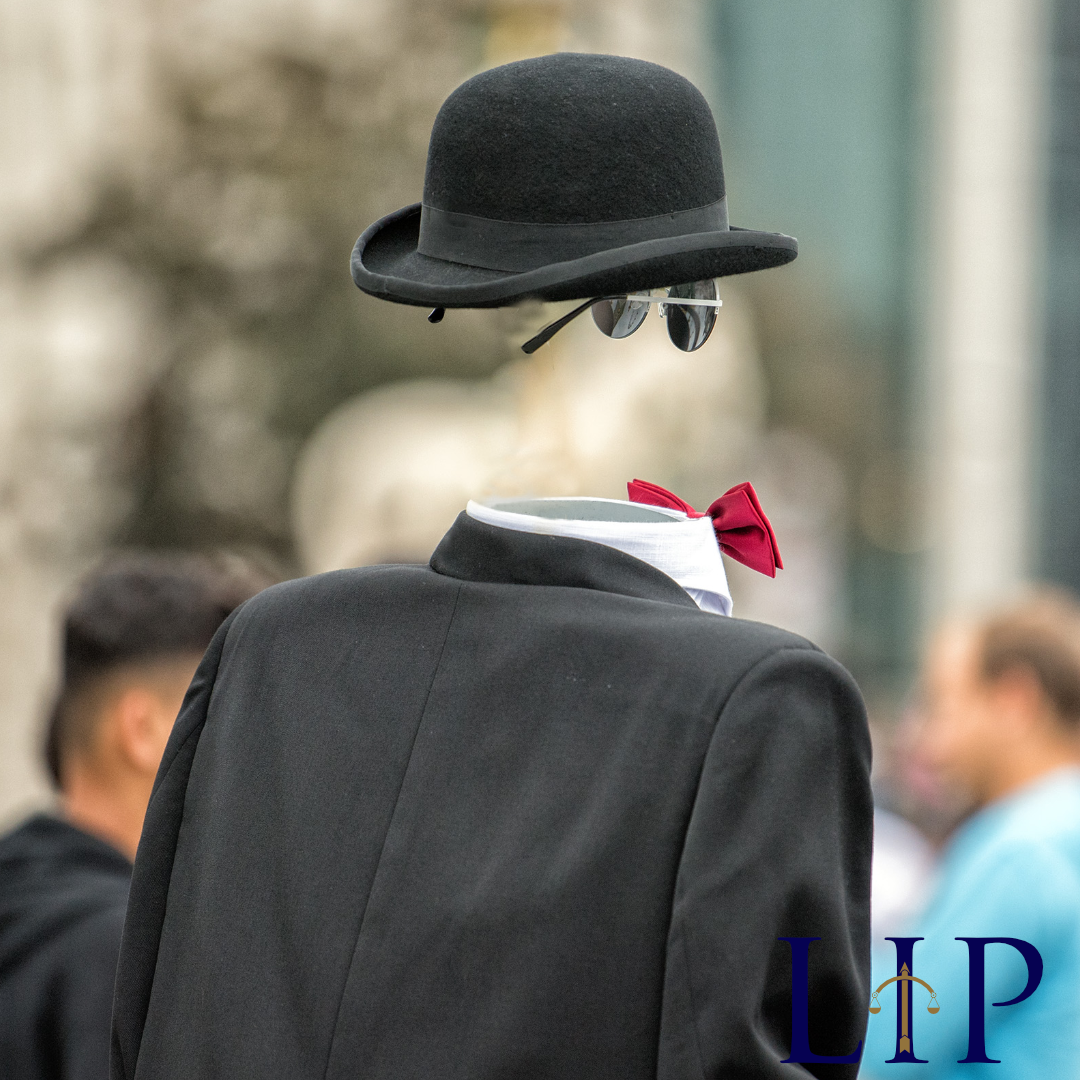
When International Law Meets Deepfakes: The Coming Crisis of Evidence
The rapid rise of AI-generated deepfakes now threatens to destabilise one of the most fundamental pillars of international justice: the reliability of evidence. Deepfakes already circulate widely in conflict zones, with fabricated videos depicting statements, attacks, or admissions that never occurred. How can investigators distinguish genuine footage from AI-fabricated content? How should courts weigh evidence when authenticity itself is uncertain? The integrity of future trials may depend on new legal doctrines and technological solutions developed today.

The Robot Rules: Why the EU's AI Act Is Both Genius and Slightly Terrifying
The AI Act, which kicked into gear in August 2024, is the world's first comprehensive attempt to put guardrails around artificial intelligence. It's ambitious, controversial, and depending on who you ask, either humanity's last hope for responsible tech or a bureaucratic nightmare that'll send every startup fleeing to Silicon Valley faster than you can say "Terms and Conditions apply."
Why Intent Matters: The Legal Thresholds Behind the Most Serious International Allegations
Certain legal terms carry enormous moral weight, yet they are increasingly used in ways that stretch or blur their strict definitions. When these labels are applied without meeting the evidentiary standards international law requires, their meaning risks becoming diluted at the very moment clarity matters most.
When Safety Meets Scale: Australia's Social Media Age Ban and the Legal Integrity Questions Nobody's Really Asking
On 10 December 2025, Australia began enforcing the world's first national ban on social media for under-16s. Platforms face fines up to A$49.5 million for failing to take 'reasonable steps' to block young users. Yet as this landmark law takes effect, critical questions about vague obligations, accountability gaps, privacy risks and proportionality remain largely unanswered.

Should Netflix Be Allowed to Buy Warner Bros? Why This Merger Is Making Antitrust Lawyers Nervous
Warner Bros Discovery is fielding bids from Netflix and Paramount – both deals that clearly violate antitrust law. But with the company struggling under massive debt, should regulators enforce the rules strictly or show flexibility? This case is becoming a crucial test of whether competition law still means what it says.

When Mandates Stretch Too Far: The Quiet Risk of Institutional Overreach
Modern institutions often drift beyond their statutory mandates through incremental expansions of authority. This mandate creep - whether driven by policy gaps, resource constraints or external pressure - raises fundamental questions about legal integrity, accountability and the rule of law.