

We strengthen public understanding of the law, international law, legal definitions and the institutions that uphold them.

The Jury on Trial: Britain's Debate Over Democratic Justice and Institutional Efficiency
As the United Kingdom considers narrowing the scope of jury trials amid mounting court backlogs and increasingly technical evidence, fundamental questions emerge about the balance between procedural efficiency and democratic participation in justice. Legal experts warn that reforms must preserve institutional legitimacy while addressing systemic pressures.
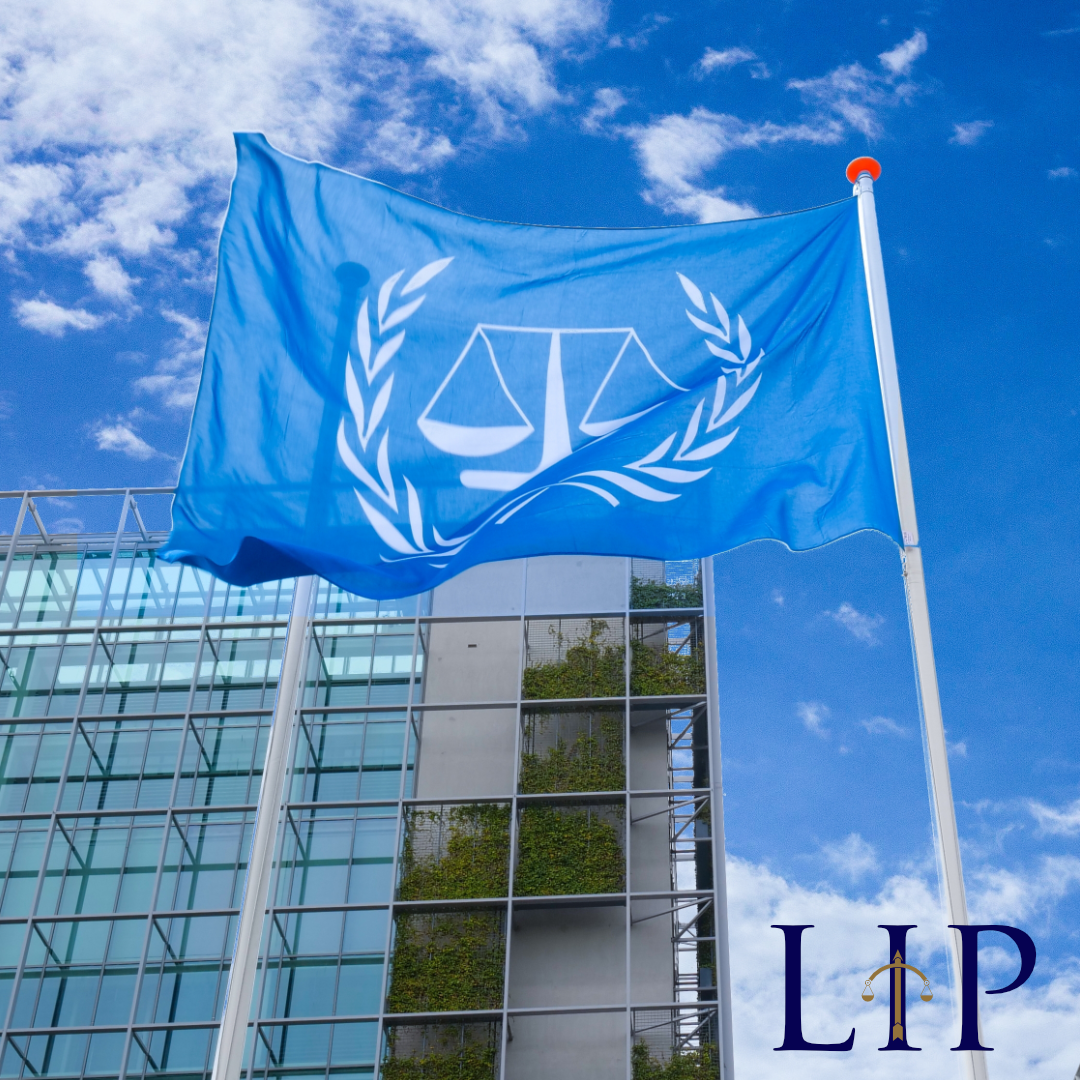
South Africa's Case: A Study in Flawed Logic
Accusing Israel of special intent to destroy, when the state itself was the victim of attempted destruction, is ultimately perverse. The ICJ will consider, too, that the absence of special intent is strongly evidenced by Israel's specific actions in Gaza.

The Legal Architecture of Outer Space: Preparing for the Next Frontier of Governance
Outer space was once the preserve of superpowers. Now it's filling with commercial satellites, mining ventures, and military capabilities the Cold War architects never imagined. The 60-year-old Outer Space Treaty is creaking under the strain. From lunar mining rights to space debris cascades, we're facing governance gaps that could jeopardise the entire orbital environment. The question isn't whether space law needs updating - it's whether the international community can move fast enough to matter.
When Exit Becomes the Rule: Treaty Withdrawal and the Future of International Law
States possess the sovereign right to leave international agreements, yet the increasing frequency of treaty withdrawals signals a troubling shift in how governments approach their legal obligations. As political expediency overtakes strategic commitment, the foundations of international cooperation face unprecedented strain. This article examines the forces driving the withdrawal trend, its implications for global legal order, and potential safeguards to maintain the reliability that international law requires.

Lawfare and the Integrity of Legal Institutions: When Litigation Becomes a Geopolitical Tool
Law is meant to restrain power, not serve it. Yet across global politics, a different pattern is emerging: states, political movements, and even private actors are increasingly turning to courts not merely to resolve disputes, but to wage geopolitical battles by other means.
For us at the Legal Integrity Project, the principle is clear: the law must remain a forum for evidence, not a venue for strategy. When courts resist the pressures of political litigation and uphold disciplined legal reasoning, they safeguard not only justice, but the integrity of the entire international legal order.

When Domestic Courts Become Global Actors: The New Debate Over Judicial Power in International Law
The era of domestic courts as peripheral players in international law has ended. Across continents, national judges are asserting authority over global norms, extraterritorial conduct, and even military decisions taken far beyond their borders. Whether this transformation strengthens or destabilises the international legal order has become one of the most contentious debates in contemporary international law.

When Legal Ambition Meets Reality: The ICJ Case That's Reshaping International Justice
South Africa's landmark case at the International Court of Justice tests the boundaries of international law and strategic litigation. This analysis examines the formidable legal hurdles, the politics of treaty enforcement, and what the case means for organisations navigating reputational and compliance risk in an era where courts are becoming arenas for diplomatic contest.

The Fracturing of International Law: Why Nobody Can Agree on the Rules Anymore
The more courts that exist, the less enforceable the system becomes. We now live in a world where the same conflict can simultaneously constitute a war crime in The Hague, a lawful act of self-defence in one capital, and a human rights violation in Strasbourg- with no mechanism to reconcile these competing verdicts.