
We strengthen public understanding of the law, international law, legal definitions and the institutions that uphold them.

Why the Slow Pace of Justice Is Actually Its Greatest Asset
As international legal organisations designate the United States as the focus country for the 2026 Day of the Endangered Lawyer, and Virginia federal judges move to replace improperly appointed prosecutors, the rule of law faces unprecedented pressure. Yet amid widespread calls for faster outcomes and streamlined processes, we're forgetting something crucial: the deliberate pace of legal processes isn't a bug in the system—it's actually a feature that protects us all.
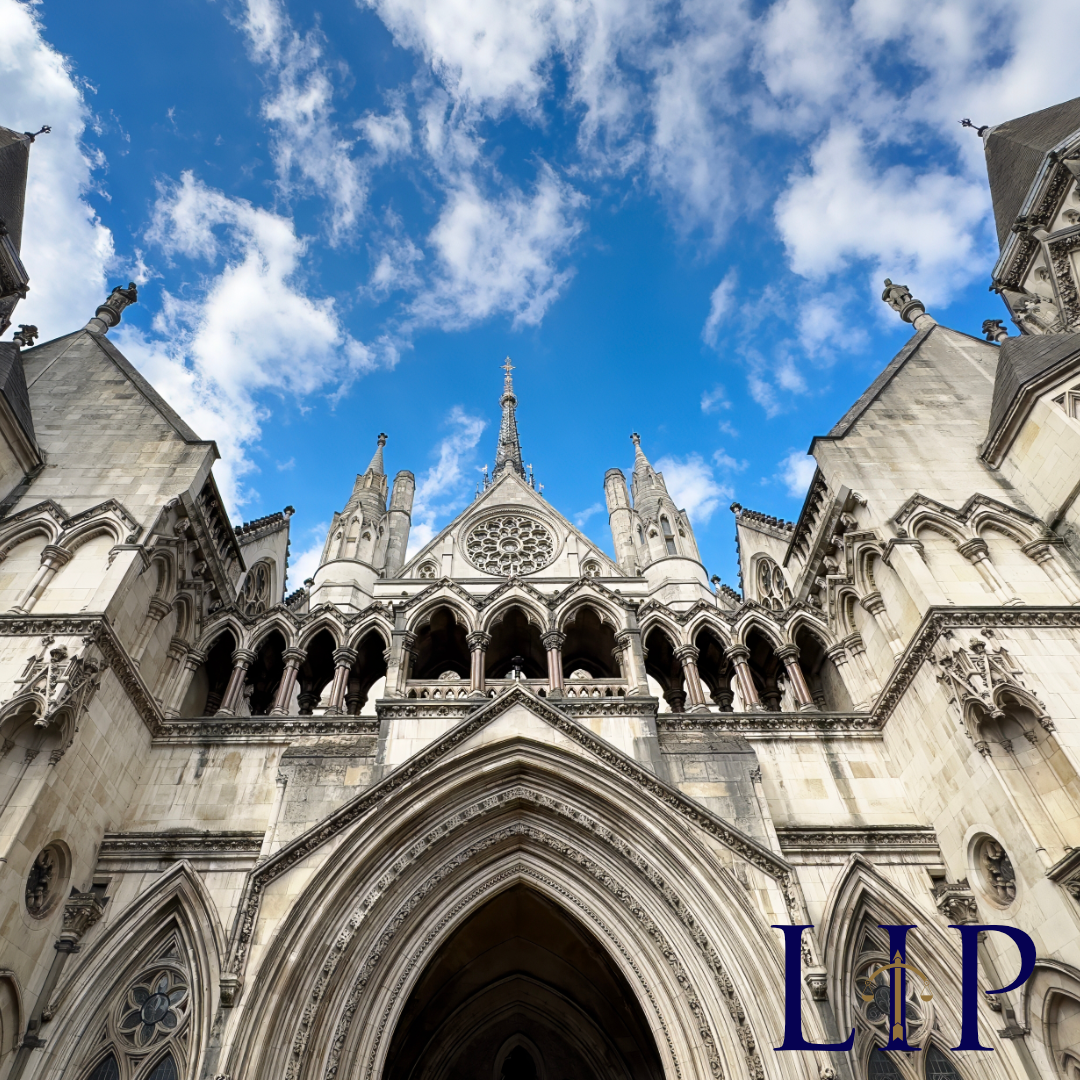
The Jury on Trial: Britain's Debate Over Democratic Justice and Institutional Efficiency
As the United Kingdom considers narrowing the scope of jury trials amid mounting court backlogs and increasingly technical evidence, fundamental questions emerge about the balance between procedural efficiency and democratic participation in justice. Legal experts warn that reforms must preserve institutional legitimacy while addressing systemic pressures.

When Protection Becomes Impunity: Rethinking Diplomatic Immunity for the Modern Era
Diplomatic immunity, one of international law's oldest and most successful frameworks, faces a legitimacy crisis as high-profile abuses collide with contemporary demands for accountability. While the 1961 Vienna Convention remains essential for protecting diplomats from political persecution, reforming immunity without undermining the reciprocal protections that keep diplomats safe worldwide requires careful multilateral coordination—not unilateral action that could endanger envoys in hostile environments.

The Crime of Aggression: Racing Ahead of Legal Foundations
International law has always struggled with the crime of aggression. Theoretically, it stands as the gravest breach of international peace - the "supreme international crime" from which all others flow. In practice, however, it remains one of the most difficult offences to prosecute, hampered by narrow definitions, complex jurisdictional barriers, and explosive political sensitivities. Yet something is shifting. Across legislative chambers, university seminars, and advocacy networks, pressure is mounting to stretch the boundaries of aggression far beyond what its architects envisioned.

The Collapse of Expertise: How Legal Terms Lose Meaning in Political and Media Debate
Public debate now uses the word “genocide” more readily than ever, often without reference to the strict legal criteria that define the crime. This article explores how the misuse of grave legal terminology - particularly the neglect of intent, evidentiary thresholds, and case law - threatens the credibility of international legal institutions. It argues that protecting the precision of the Genocide Convention is not about politics, but about safeguarding the rule of law itself.