

We strengthen public understanding of the law, international law, legal definitions and the institutions that uphold them.

International Legal Trends for 2026: No longer above the noise
2026 tests whether international law remains a method or becomes a mood. ICJ cases, AI regulation deadlines, sanctions ecosystems, climate litigation—all stress-testing whether procedural discipline survives political pressure.

Why Intent Matters: The Legal Thresholds Behind the Most Serious International Allegations
Certain legal terms carry enormous moral weight, yet they are increasingly used in ways that stretch or blur their strict definitions. When these labels are applied without meeting the evidentiary standards international law requires, their meaning risks becoming diluted at the very moment clarity matters most.
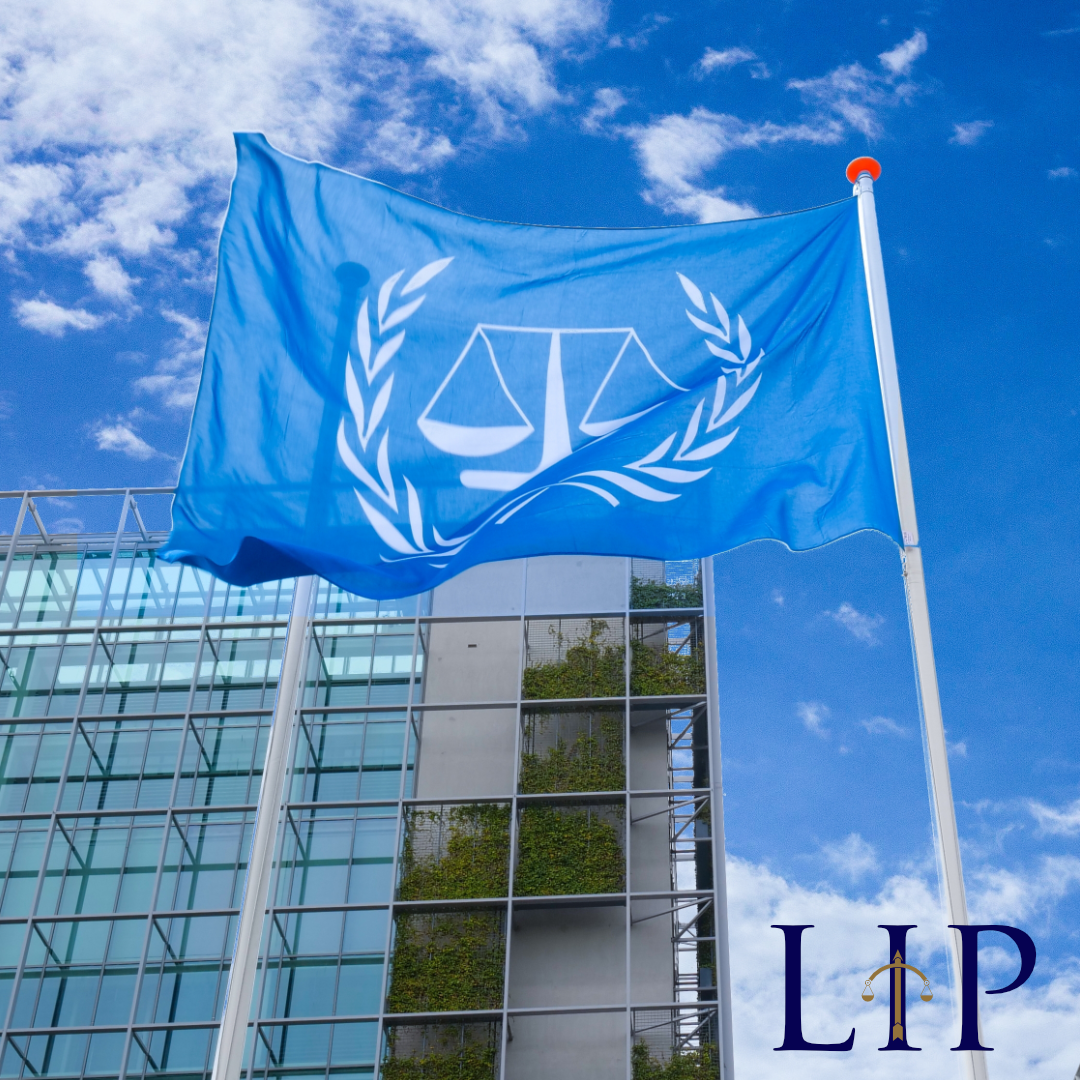
South Africa's Case: A Study in Flawed Logic
Accusing Israel of special intent to destroy, when the state itself was the victim of attempted destruction, is ultimately perverse. The ICJ will consider, too, that the absence of special intent is strongly evidenced by Israel's specific actions in Gaza.
When Exit Becomes the Rule: Treaty Withdrawal and the Future of International Law
States possess the sovereign right to leave international agreements, yet the increasing frequency of treaty withdrawals signals a troubling shift in how governments approach their legal obligations. As political expediency overtakes strategic commitment, the foundations of international cooperation face unprecedented strain. This article examines the forces driving the withdrawal trend, its implications for global legal order, and potential safeguards to maintain the reliability that international law requires.

When Legal Ambition Meets Reality: The ICJ Case That's Reshaping International Justice
South Africa's landmark case at the International Court of Justice tests the boundaries of international law and strategic litigation. This analysis examines the formidable legal hurdles, the politics of treaty enforcement, and what the case means for organisations navigating reputational and compliance risk in an era where courts are becoming arenas for diplomatic contest.

The ICJ Advisory Opinion: Why Context Matters in Assessing Conduct on the Ground
The International Court of Justice’s latest advisory opinion on Israel’s conduct in Gaza has reignited long-standing debates over fairness, context, and credibility in international law. While presented as a neutral interpretation of legal obligations, the opinion overlooks critical national security realities, ongoing humanitarian efforts, and the political motives that continue to undermine trust in global institutions.

Maintaining the Independence of International Law- Finding the balance in a time of heated debate
For us at the Legal Integrity Project, the lesson is crystal clear: legitimacy in international law cannot be decreed; it must be earned through rigour, neutrality, and humility. If courts become arenas for political theatre, their judgments will speak loudly but persuade few