

We strengthen public understanding of the law, international law, legal definitions and the institutions that uphold them.
International Legal Trends for 2026: No longer above the noise
2026 tests whether international law remains a method or becomes a mood. ICJ cases, AI regulation deadlines, sanctions ecosystems, climate litigation—all stress-testing whether procedural discipline survives political pressure.

2026 Begins by Asking, Is International Law Fit for Purpose?
Is international law fit for purpose? The Venezuela crisis forces us to confront uncomfortable questions about sovereignty, accountability, and whether the system can actually deliver justice when powerful actors ignore the rules and legal mechanisms fail.
Emergency Powers and the Rule of Law: When "Temporary" Becomes Forever
As of 2025, more than 40 US national emergencies remain active, some running for decades. Peru has submitted emergency derogations almost every year since 1983. Hungary's parliament granted indefinite rule by decree. When everything is an emergency, nothing is. And when temporary measures become permanent, the rule of law itself is at risk.

Climate Litigation: When Courts Become the Last Line of Defence
As of June 2025, 3,099 climate-related cases have been filed across 55 countries. That's up from 884 in 2017. From Dutch citizens suing their own government to Swiss pensioners arguing heatwaves threaten their human rights, courts are being asked to enforce the environmental responsibility that politicians won't. And surprisingly often, they're winning.
The Accountability Gap: Private Military Companies in International Law
A contractor employed by a company in one country, hired by another government, operating in a third nation, shoots someone. Who's accountable? If you answered "literally nobody," you've understood the private military company problem. International law is having a proper crisis working out who's responsible when war becomes outsourced.

Digital Borders: When Your Server Room Becomes a Battlefield
For centuries, sovereignty was straightforward. Your territory ended where mine began. Then came the internet, and suddenly your data could be stolen from Virginia by someone in St Petersburg whilst they sip coffee in Shanghai. International law is scrambling to catch up, and states can't even agree on what counts as a violation.
When War Comes to the High Street: Can International Law Survive Urban Battlefields?
When explosive weapons are used in populated areas, around 90% of casualties are civilians. Fifty million people worldwide are living in urban war zones. The laws of war weren't written for apartment blocks and underground car parks, but they're all we've got—and they're being tested like never before.
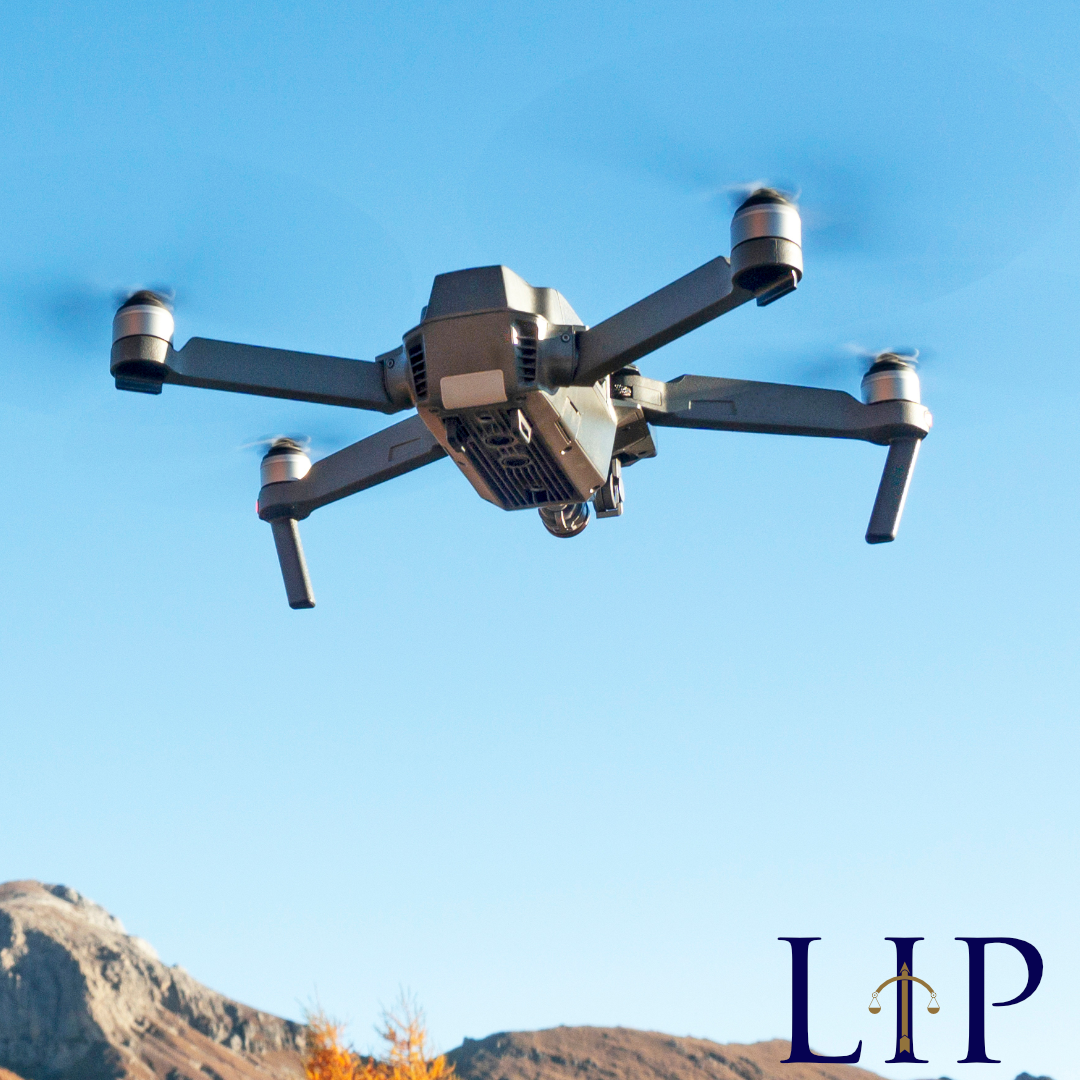
Has International Law Fallen Behind Modern Warfare? The Legal Gap Around Drones and Autonomous Weapons
International humanitarian law requires distinction, proportionality, and precaution, standards designed for human decision makers. But what happens when machines, not humans, identify targets? How do we assign responsibility when autonomous systems malfunction or misinterpret data? Most states accept that existing law applies, but its application is increasingly strained. Critics argue that autonomous weapons introduce an accountability vacuum with no clear answer for whether liability should fall on programmers, commanders, states, or the systems themselves.